ABOUT MY PROCESS
Lyn C. Wiltshire is a creator and visual artist.
“What if all I want is a small, slow, simple life? What if I am most happy in the space of in between? Where calm lives.” ~Krista O’Reilly-Davi-Digui
Lyn is a multidisciplinary creator who works in acrylics and pen and ink.
Exploring the Depths of Art and Design: The Mystical World of Sacred Geometry
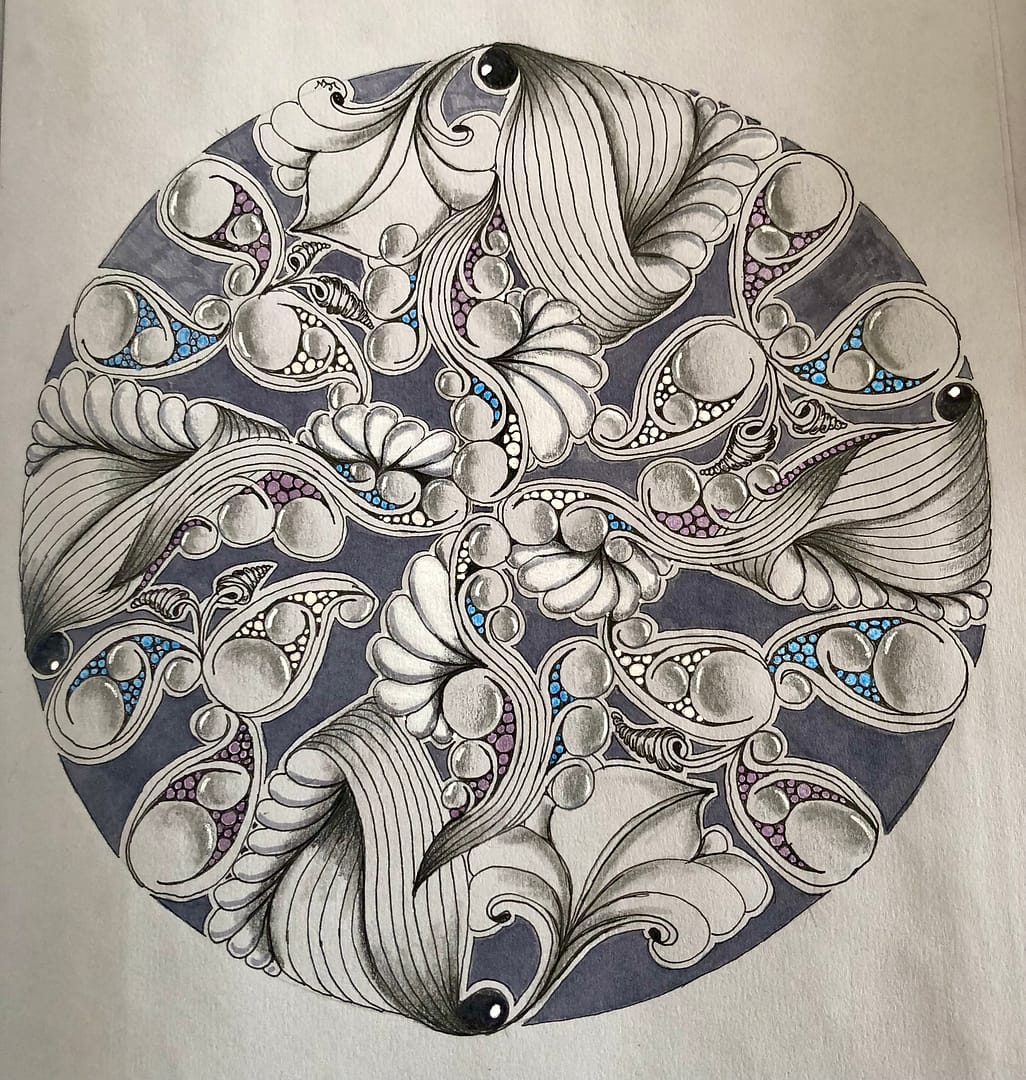
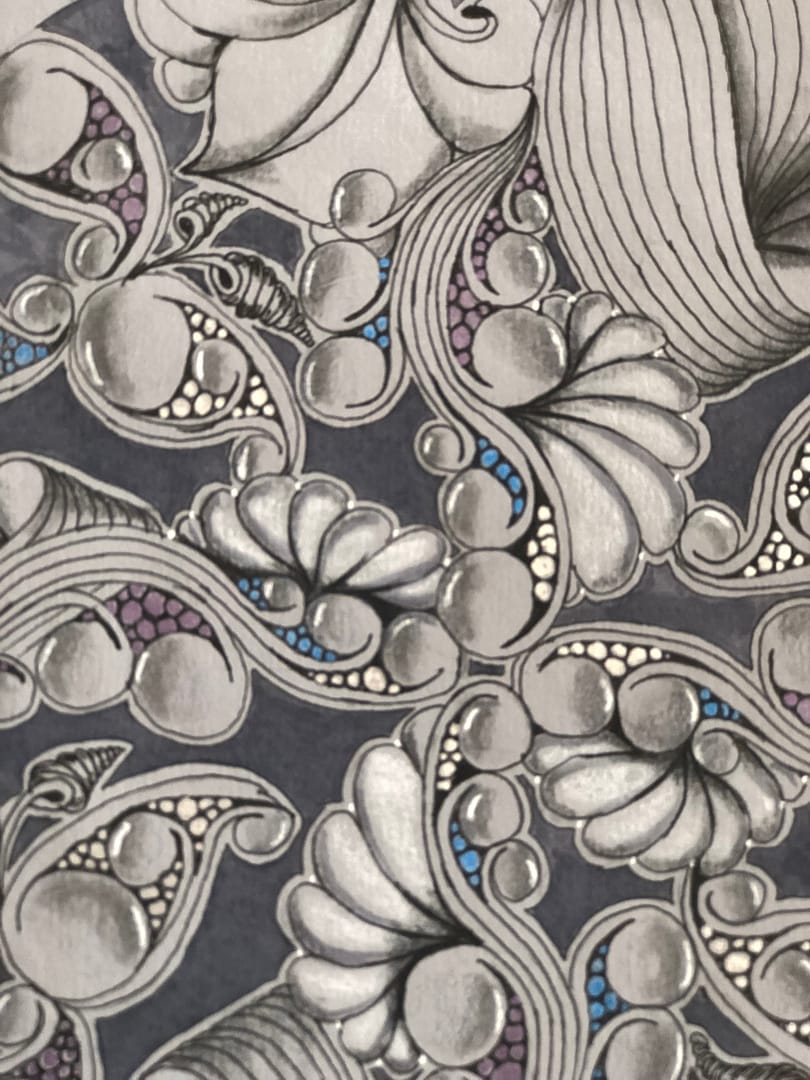
Welcome, fellow art enthusiasts, to a captivating conversation about the profound interplay between art, design, and the spiritual realm. I embark on journeys to unravel the enigmatic beauty of sacred geometry and its embodiment in the mesmerizing art form known as mandalas. These intricate patterns, rooted in ancient traditions, hold deep meaning and offer a gateway to tranquility, harmony, and equilibrium within our very being.
The Power of Mandalas: Mandalas encompass far more than mere aesthetic beauty; they serve as potent symbols of spirituality and meditation. Across diverse cultures, mandala art has been cherished for centuries, captivating the hearts and minds of those who encounter them. The word “mandala” itself is derived from the ancient Sanskrit language, meaning “circle” or “disc.” The circular nature of mandalas represents the cyclical nature of life and the cosmos.
Sacred Geometry: The Blueprint of Creation: At the heart of mandalas lies the intriguing concept of sacred geometry. It is a discipline that explores the fundamental geometric principles that underpin the creation of our universe. The use of geometric shapes, such as circles, triangles, squares, and spirals, is not merely for aesthetic appeal but rather to tap into the underlying order and harmony of existence. Sacred geometry invites us to contemplate the interconnectedness of all things, bridging the gap between the physical and metaphysical realms.
Harmony in Design: The meticulous arrangement of geometric shapes within mandalas is a testament to the pursuit of balance and harmony. Each intricate line, curve, and pattern contributes to the overall composition, invoking a sense of serenity and unity. The intricate interplay of symmetry and asymmetry within the mandala design reflects the duality of existence. It is through this delicate dance of opposites that we find equilibrium, a vital aspect of our spiritual and emotional well-being.
Journeying Within: Meditation and Spirituality: Beyond their visual allure, mandalas are widely used as tools for meditation and spiritual exploration. By gazing at the symmetrical patterns and following their intricate paths, one can enter a state of deep introspection and mindfulness. The process of creating or coloring mandalas can be a meditative practice in itself, allowing us to find solace and reconnect with our innermost selves. Mandalas facilitate a profound sense of focus and presence, helping us transcend the ordinary and tap into the transcendent.
Cultural Expressions: Throughout history, various cultures have embraced mandala art as a means to express their unique spiritual beliefs and cultural heritage. From the ancient Tibetan sand mandalas to the intricate Islamic geometric patterns, mandalas have served as gateways to the divine and cultural identity. The diverse symbolism within these art forms reflects the multifaceted nature of humanity’s search for meaning, reminding us of our shared spiritual journey.
As we conclude our exploration of the mesmerizing world of mandalas and sacred geometry, let us remember that art and design transcend mere aesthetics. They have the power to transform our inner landscape, harmonize our being, and connect us to something greater than ourselves. Mandalas, with their intricate patterns and rich symbolism, invite us to embark on a journey of self-discovery, spiritual reflection, and mindful contemplation. So, the next time you encounter a mandala, take a moment to immerse yourself in its beauty, and allow it to guide you on a transformative voyage of the mind, body, and soul.